You spray on Saturday. By Sunday the kitchen floor is clear and the problem looks solved. Ten days later you switch on the light at night and three of them scatter across the counter.
This is the most common pest complaint we get in Nairobi, and it is almost never because the spray was fake or the person using it did it wrong. It is because of where cockroaches actually live, which is not where you spray.
The roaches you see are a small fraction of the problem
Cockroaches are what pest control people call cryptic: they spend the overwhelming majority of their lives hidden, pressed into tight gaps, and come out to feed when the room is dark and quiet. The rule of thumb is that for every one you see in daylight, there are many more you do not.
So when you spray a kitchen floor and skirting, you are treating the corridor, not the house. You kill the individuals that happened to be out. The population sitting inside the cabinet carcass, behind the fridge motor and under the sink is untouched, and it repopulates the corridor within days.
That is the whole mechanism. It is not that the treatment failed. It is that the treatment never reached them.
Where they actually are
If you want to understand your own infestation, look at where warmth, moisture and darkness overlap. In most Nairobi homes and food premises, that is a short and predictable list:
- The fridge motor housing at the back and underneath. It is warm, dark and almost never cleaned.
- The cooker, particularly under the hob and inside the gap between the cooker and the counter.
- Inside cabinet frames, not the shelves you can see, but the hollow structure and the gaps where the carcass meets the wall.
- Under the sink, wherever the pipe passes through the cabinet base.
- Drains and floor gullies, which also give them a route between units in an apartment block.
- Cracks in wall plaster and behind loose tiles, especially near a water source.
- Cardboard and paper storage. Cartons stacked in a pantry are close to ideal harbourage, and they are how infestations arrive in the first place.
Notice how little of that list is reachable with a can of surface spray.
Why the eggs make timing matter
An adult female carries an egg case called an ootheca, and depending on species it either carries it until hatching or glues it into a crevice. Those cases are physically tough and, critically, most insecticide does not penetrate them.
This means a treatment that kills every living cockroach in your kitchen today still leaves viable eggs behind. They hatch over the following weeks and you are back where you started, which is exactly why the “it worked for two weeks then came back” pattern is so consistent.
Getting on top of this needs either a residual product that is still active when the nymphs emerge, or a planned second treatment timed to the hatch. A single visit with nothing following it is usually just an expensive pause.
Why spraying can make it worse
This part surprises people. Many over-the-counter aerosols are repellent: the cockroaches can detect the treated surface and avoid it.
If you spray around a harbourage point without killing what is inside it, you can push the population deeper into the structure, or split it so it disperses to new areas of the building. In flats, this is one way a problem in one unit becomes a problem in three.
Gel baiting works differently and is usually the better tool indoors. The cockroaches feed on the bait and return to the harbourage, where the active ingredient passes to others through droppings and cannibalism of the dead. It uses their own behaviour to reach the places you cannot. It is slower to show visible results, which makes people think it is not working, and then they spray over the top of it and undo the effect.
If you take one practical thing from this article: do not spray aerosol over gel bait. You contaminate the bait, the roaches stop feeding on it and you have spent money on both for the result of neither.
What actually breaks the cycle
Effective cockroach control is three things happening together, not one of them repeated harder.
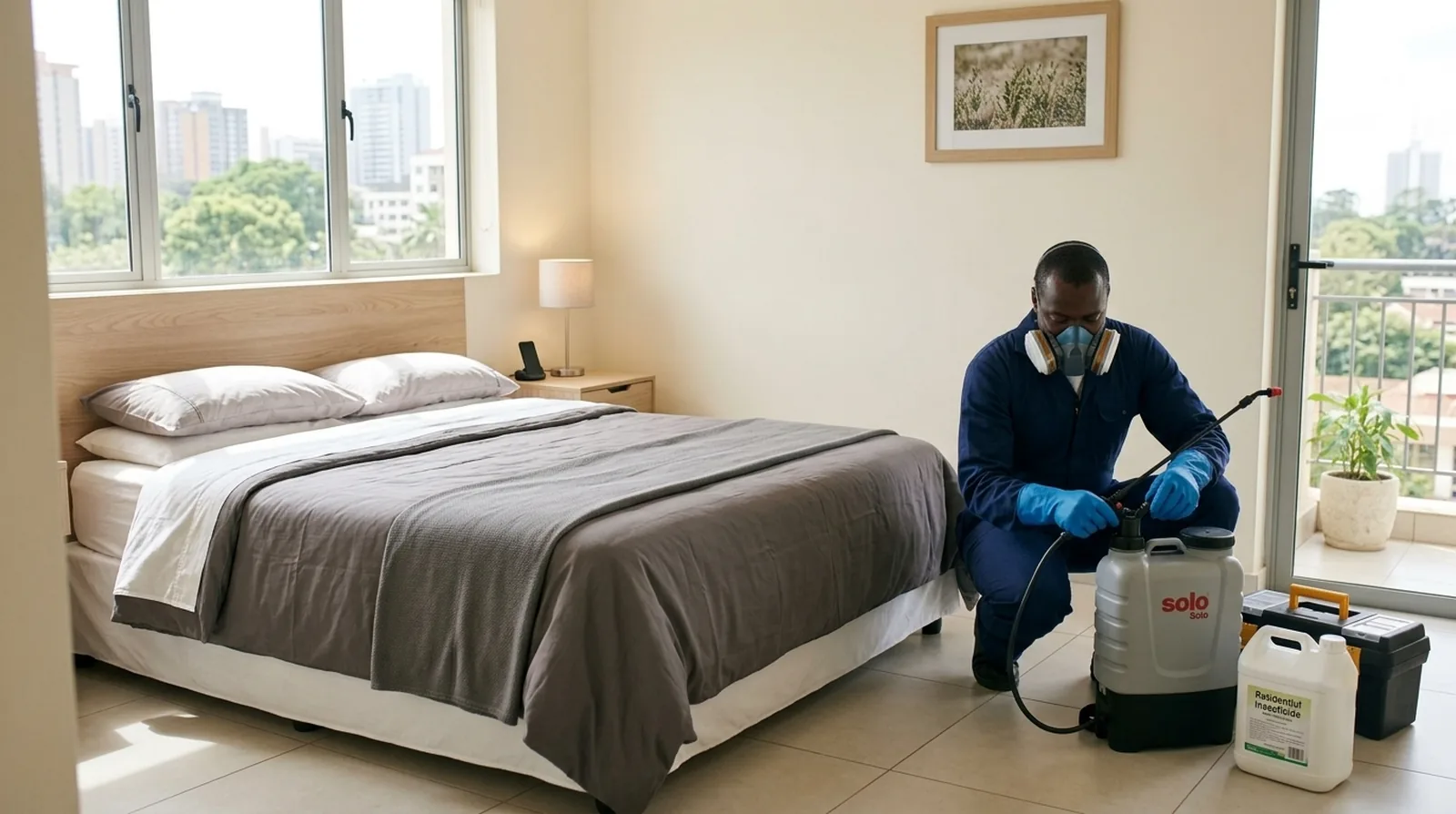
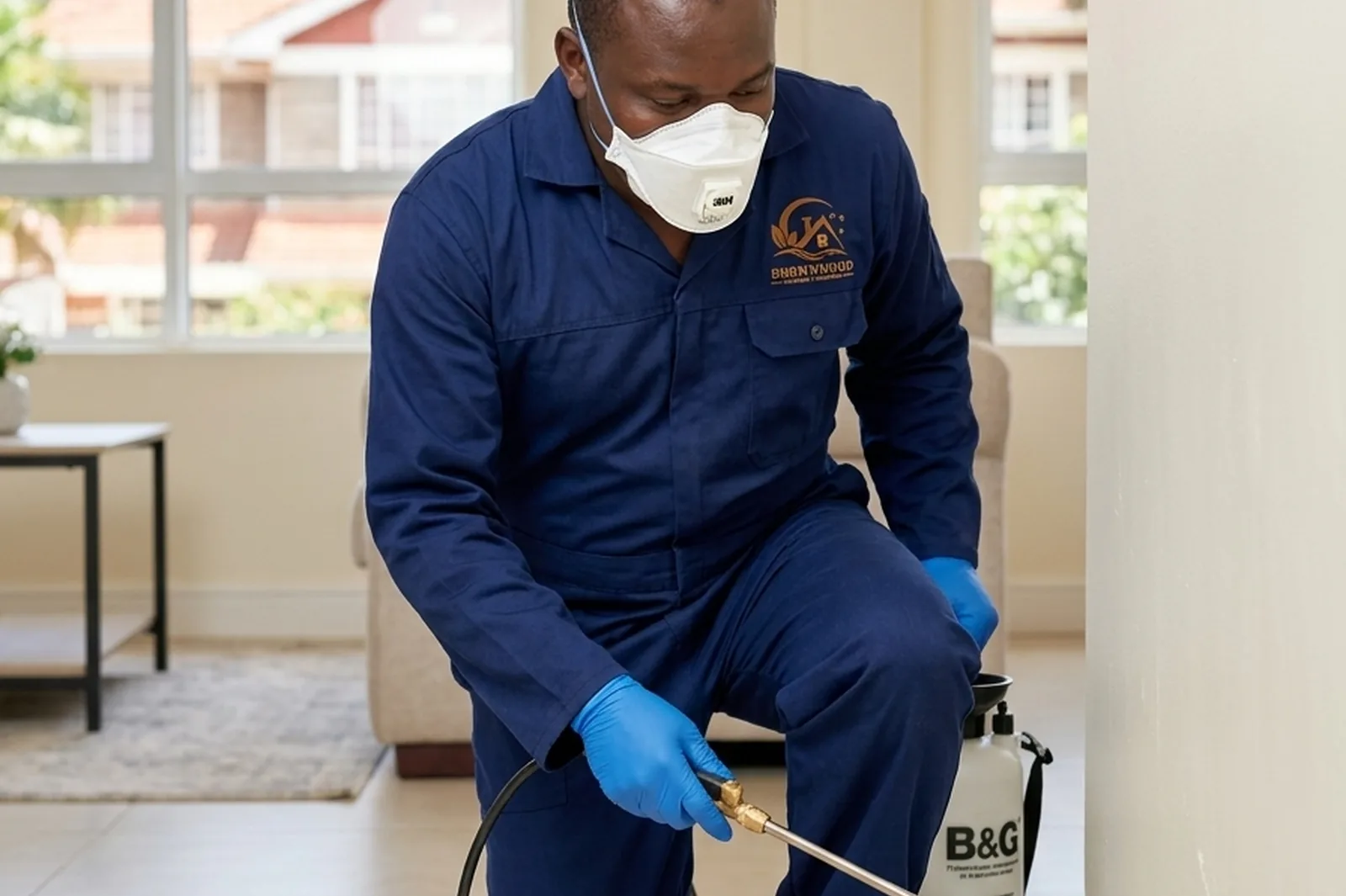
Treat the harbourage, not the floor. That means opening up the access points: pulling the cooker out, getting behind and under the fridge, going inside the cabinet frame and treating the void rather than the shelf.
Plan for the eggs. Either a residual treatment that stays active through the hatch window, or a scheduled follow-up. Any plan that ends after one visit is not a plan.
Remove what is keeping them. Treatment without this is a running subscription. In practice:
- Fix the dripping tap and the leak under the sink. Cockroaches can last weeks without food and only days without water, so moisture is the single biggest lever you have.
- Empty and clean the space under and behind appliances, including the fridge drip tray.
- Store dry food in sealed containers rather than opened packets.
- Get rid of cardboard storage. Move to plastic crates.
- Clear the bin nightly, and clean the bin itself, not just change the liner.
- Seal the obvious cracks and the gaps around pipe entries.
None of that is glamorous and all of it matters more than the specific chemical used.
When it is time to call somebody
Do it yourself is reasonable for a handful of sightings caught early, provided you bait rather than spray and you fix the moisture.
Get professional treatment when:
- You see cockroaches during the day. Daytime activity generally means the harbourage is overcrowded, which means the population is well established.
- You find egg cases, shed skins or droppings that look like coarse black pepper in cabinets or drawers.
- There is a persistent musty, oily smell in the kitchen.
- You have treated twice and they returned both times.
- It is a food business. The regulatory and reputational exposure is not worth experimenting with, and the structure of a commercial kitchen gives them far more harbourage than a domestic one.
- You are in a flat or a shared block. If neighbouring units are not treated at the same time, they simply move back through the service ducts and drains. This is the single most common reason repeat treatments fail in Nairobi apartments, and it needs coordinating across units rather than treating yours in isolation.
The short version
Cockroaches come back after spraying because the spray treats the space they walk through, not the space they live in, and because it does not touch the eggs. Fix the harbourage, plan for the hatch, take away the water and the cardboard, and use bait rather than blasting aerosol at the problem.
Do those things and it stops being a recurring monthly battle.
Prefer to talk it through? Call 0119 411 795 or message us on WhatsApp.