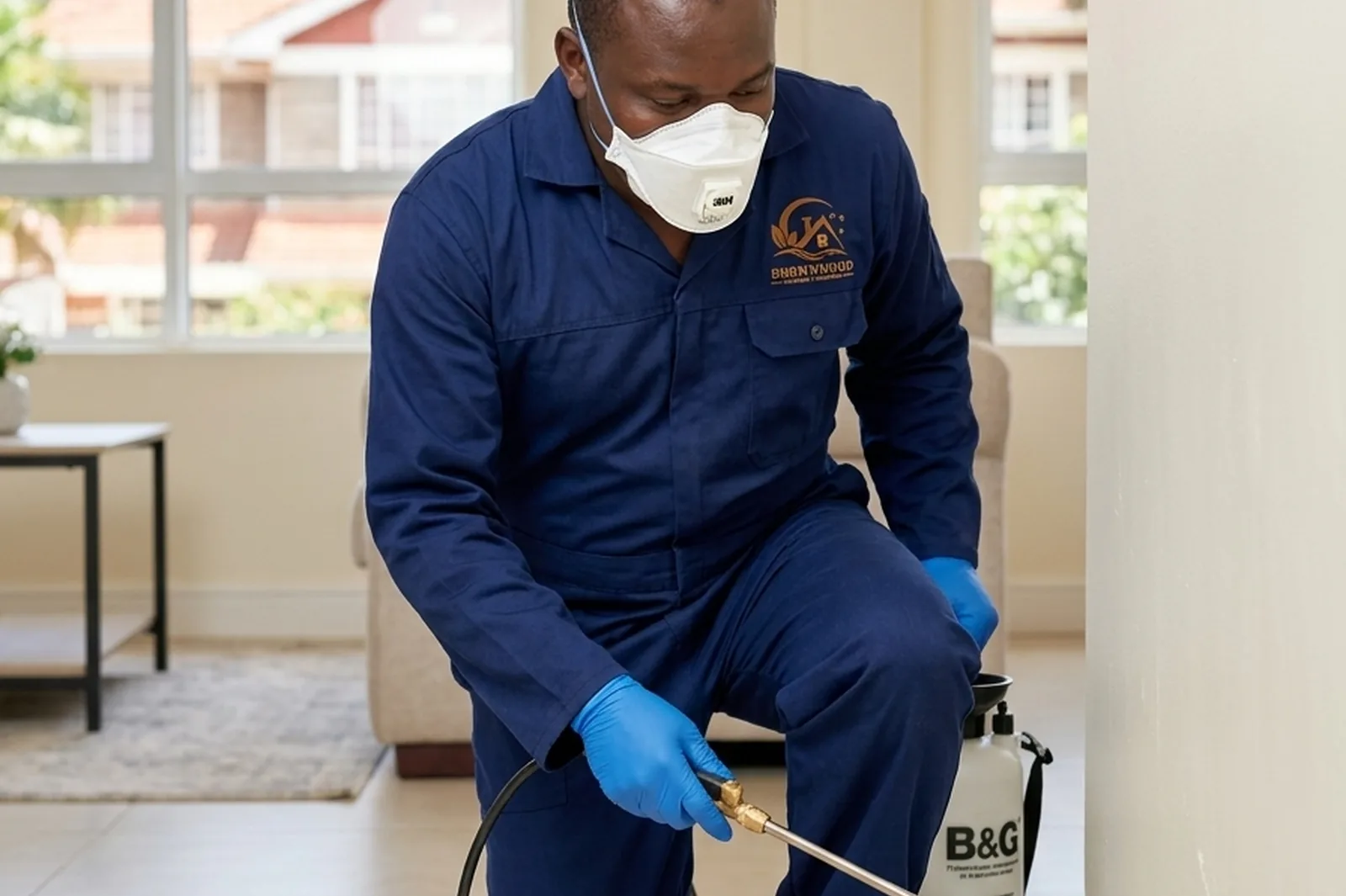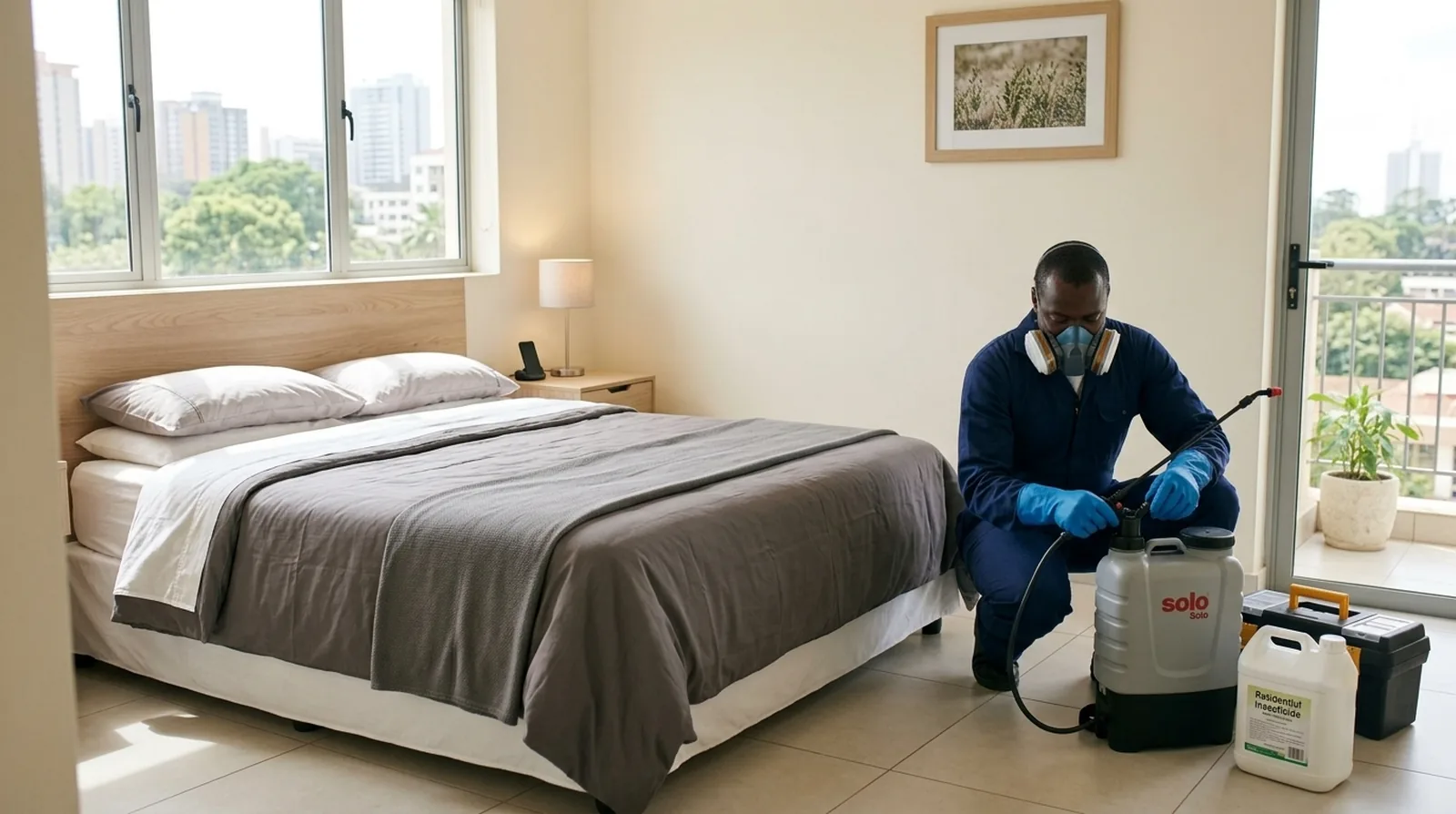
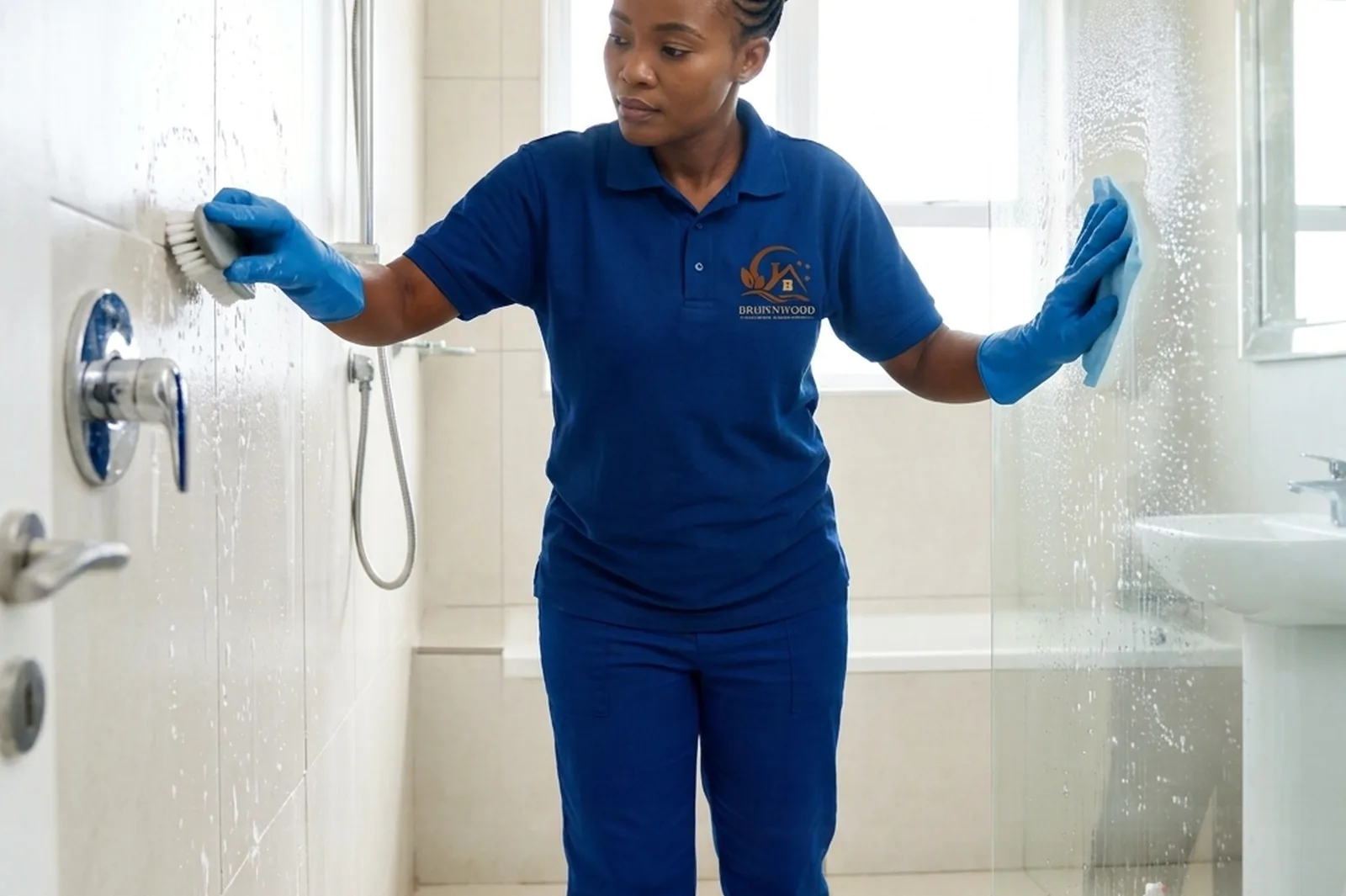
The deposit conversation in Nairobi almost never turns on big things. It is rarely a broken window or a damaged door. It is the oven, the grout, the inside of the kitchen cupboards and the marks on the walls.
Those are cheap to fix before you hand over the keys and expensive to argue about afterwards. This is what gets looked at, in the order it usually gets looked at, and what “clean” actually means to the person holding your money.
Understand what you are being measured against
Your obligation is to return the property in the condition you received it, allowing for fair wear and tear. That distinction matters more than anything else in this article.
Fair wear and tear is deterioration from ordinary living: slightly faded paint, minor scuffs on a floor, a worn tap washer. You are not responsible for it.
Damage and lack of cleaning are different: a burnt-on oven, a mouldy shower, a stained carpet, nail holes in a wall. Those are yours.
A landlord cannot legitimately require the property to come back cleaner than it was handed to you. If your check-in inventory recorded a stained carpet on day one, it is not a deduction on the last day. Which leads to the single most useful thing you can do.
Before you clean anything, find your check-in record
If you have a signed inventory or check-in photographs from when you moved in, get them out now. This is the document that decides most disputes, and most tenants either never took photos or cannot find them.
If you have nothing from move-in, take thorough photographs now, before you start cleaning, and again after. Date-stamped images of a clean, empty property are what turn “you left it filthy” into a conversation rather than a deduction.
Then ask for a joint inspection: you, and the landlord, agent or caretaker, walking the property together at handover. Being present when the assessment happens matters. Deductions decided in your absence, from an inspection you never saw, are far harder to challenge later.
The kitchen
This is where most deposit money is lost, and the cooker is the single biggest item.
- The oven and hob. Burnt-on grease is the most commonly cited deduction anywhere in the world and Nairobi is no exception. Racks, trays, the inside of the door and the glass all get looked at. Give degreaser time to work rather than scrubbing dry.
- The extractor hood and filter. Almost always forgotten. The metal filter usually lifts out and can be soaked.
- Behind and under the cooker and fridge. Pull them out. This is also where cockroach evidence turns up, and a pest problem noted at handover is a much bigger issue than a dirty floor.
- Inside every cupboard and drawer. Empty, wiped, no crumbs, no liner paper left curling in the corners.
- The fridge and freezer. Defrosted, emptied, wiped inside including the door seals and the drip tray. Leave the door propped open so it does not develop a smell before the next tenant.
- The sink and taps. Descale properly. Nairobi water leaves visible limescale, and a chalky tap reads as “not cleaned” at a glance even when everything else is spotless.
- Tiles and splashback. Degrease, then dry so there are no streaks.
- The bin. Emptied and washed, not just re-lined.
The bathroom
Bathrooms get inspected more carefully than any other room, because problems here are visible in seconds.
- Grout and silicone. Mould in the grout lines and along the sealant is the classic bathroom deduction. Treat it and let it dwell. If the silicone is blackened right through, it may need replacing rather than cleaning.
- The shower screen or curtain. Limescale and soap scum. A curtain that has gone mouldy is usually cheaper to replace than to rescue.
- Toilet, including behind the seat hinges and the base where it meets the floor.
- Drains. Hair and buildup cleared. A slow drain at inspection gets recorded as a plumbing issue.
- Extractor fan cover, mirror, cabinet interiors and any shelving.
- Taps and shower head. Descale. A blocked shower head is very obvious when someone runs it during the inspection.
Bedrooms and living areas
- Inside all wardrobes and built-in storage. Including the top shelf you cannot see without standing on something. Caretakers check this.
- Walls. Marks, scuffs and handprints around switches. Fill and touch up nail holes if your agreement requires it, but check first: a badly matched patch of paint can look worse than the hole.
- Windows, inside at minimum, plus the frames and the tracks. Window tracks collect a surprising amount of grit and are a common gotcha.
- Curtains and blinds. Dusted, and washed if they are yours to launder under the agreement. Heavy curtains usually need proper cleaning rather than a shake.
- Skirting boards, door tops and light fittings. All dust traps that are invisible until someone runs a finger along them.
- Floors. Vacuum, then mop. For carpet, deal with stains specifically rather than hoping a general clean lifts them.
The parts people forget
- The balcony, including the drain and the railings.
- Storage and service areas, and the space under the sink.
- Light bulbs. Replace any that have blown. A dead bulb reads as a maintenance item and is trivially cheap to avoid.
- Keys. All sets, including gate, mailbox and any you had cut. Missing keys often mean a lock change charged to you.
- Rubbish removed entirely from the property and the bin area. Leaving bags for the caretaker to deal with is a reliable way to sour a handover.
- Anything you installed. Shelves, hooks, satellite fittings. Remove them and make good, unless the landlord has agreed in writing that they stay.
Where Nairobi differs from the generic advice
Most move-out checklists online are written for the UK, US or Australia, where deposits sit in a government-backed protection scheme and disputes go to an adjudicator. That is not how it works here, and it changes your strategy in three ways.
Your deposit is held directly by the landlord or agent. Kenya has no statutory deposit protection scheme, so there is no neutral third party sitting between you and your money. The deposit remains legally yours, held in trust, but recovering it in practice depends far more on documentation and goodwill than on any formal process. Photographs and a joint inspection do more work for you here than they would in a country with an adjudicator.
The caretaker matters. In most Nairobi apartment blocks the caretaker is the person who actually walks the unit and reports its condition upward. Arranging the handover with them present, and being there while they look, is practically more useful than any amount of arguing later.
Recourse exists but it is slow. Deductions are expected to be itemised and justified with evidence rather than simply asserted, and a landlord cannot withhold a deposit as a matter of “policy”. If one is withheld without proper justification, tenants can pursue it through the Rent Tribunal or the Small Claims Court, which handles claims without requiring a lawyer. Knowing this is worth something. A weekend of thorough cleaning is still a far better use of your time than a claim that takes months.
None of the above is legal advice, and tenancy agreements vary. If a significant sum is being withheld, talk to someone qualified.
Timing it properly
Clean after the property is completely empty. Cleaning around furniture and boxes means doing it twice, and the marks left behind by moved furniture are exactly what shows up in an inspection photograph.
The practical sequence is: move everything out, then clean top to bottom (ceiling fittings and high dust first, floors last), then photograph, then hand over. If you are booking a professional clean, book it for the day after the move rather than the same day, because movers running late will otherwise compress your cleaning window to nothing.
When it is worth paying someone
Doing it yourself is entirely reasonable for a small, well-maintained unit where you have time and the property was not in bad shape to begin with.
It is usually worth paying for a professional clean when:
- The oven is badly burnt on. Commercial degreasers and the time to use them properly make a visible difference here, and this is the most frequently deducted item.
- There is mould in the bathroom that has gone beyond surface level.
- Carpets are stained, which needs extraction rather than surface cleaning.
- The property is large, or you are handing over on a tight deadline between tenancies.
- The deposit at stake clearly exceeds the cost of the clean, which for most Nairobi rentals it comfortably does.
- Your agreement specifically requires professional cleaning. Some do. Read it, because in that case a receipt is part of what you owe.
If you do pay someone, keep the receipt. Handing over an invoice at inspection quietly settles the “was it properly cleaned” question before it gets asked.
The short version
Photograph everything before and after. Ask for a joint inspection and be there for it. Concentrate your effort on the oven, the bathroom grout and the insides of cupboards, because that is where the deductions actually come from. Know the difference between wear and tear, which is not yours, and cleaning, which is.
Do that and the deposit conversation is usually over in five minutes.
Prefer to talk it through? Call 0119 411 795 or message us on WhatsApp.